
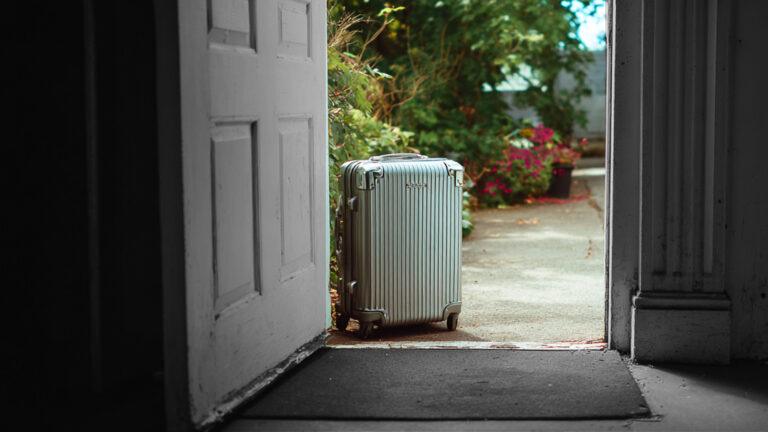
Leaving an abusive relationship is a powerful and courageous step. It’s also unfathomably difficult.
Finding a new location is just the beginning. There’s also rebuilding routines, navigating legal concerns, protecting children, addressing financial needs, and healing from the emotional impact of what happened. On top of that, abuse or control may continue even after the relationship ends.
Safety is about having support before, during, and after leaving.
As summer begins, situations get especially tumultuous for survivors. School routines change. Children may be home more often. Camps, childcare, visitation schedules, transportation, and family gatherings can all bring new logistical and emotional challenges. For survivors, these changes can affect privacy, safety planning, and a family’s sense of stability.
“How hard can it be to leave?”
People sometimes ask, “Why doesn’t someone just leave?” But that question misses the reality of abuse. Survivors are often thinking about more than just where they’ll live. Things like how they will support themselves, what will happen with their children or pets, whether their partner will retaliate, and who they can trust all factor in.
Abusive partners may also try to maintain control after separation. This may include constant calls or texts, showing up unexpectedly, monitoring social media, tracking a phone, using shared accounts, refusing to follow custody agreements, or using children as a way to keep contact. The abuse can shift into a new form rather than ending completely.
All of these challenges underscore why a strong safety plan must be more than finding “a place to stay.” It may include where to go in an emergency, who to call, what documents to gather, how to protect digital privacy, how to talk with children, and how to prepare for court or custody-related situations.
At the same time, survivors are the experts on their own lives. A good safety plan should support their choices, not pressure them into steps they are not ready or able to take.
The Summer Factor
For families, June often brings a shift in daily life. The end of the school year untethers everyone from the structure school provides. Alternative childcare arrangements begin, and more time is spent at home. Custody exchange routines can be upended. Travel, holiday weekends, and family events may create more contact with people who know the abusive partner.
For a survivor, these details matter.
A school building may have been a safe, predictable place during the day. A teacher, counselor, or bus driver may have been part of a child’s daily support system. When school is out, those supports become less available. A survivor may also have fewer private moments to call an advocate, attend appointments, or make plans if children are home all day.
Children may feel the shift too. Kids who have been exposed to domestic violence may struggle with changes in routine, transitions, sleep, separation, or fear about a parent’s safety. Even when children are physically safe, their bodies and minds may still be responding to stress.
This does not mean summer has to be unsafe. It simply means summer may require a different kind of planning.
Thinking Long-Term
Safety after abuse involves many layers. In the long run, a survivor’s plan might include:
- identifying trusted people who can help in an emergency
- keeping important documents, medications, keys, and essentials accessible
- reviewing phone, location, email, and social media privacy
- planning safe transportation
- talking with schools, camps, or caregivers about who is allowed to pick up children
- creating a plan for custody exchanges or court dates
- finding support for housing, food, employment, or financial recovery
- helping children know what to do if they feel scared or unsafe
Not every survivor will need every step. Some may be preparing to leave. Others may have already left but still feel unsafe. Some may not be ready to make a change yet but want to understand their options. All of those situations deserve care and support.
Supporting Children Too
When children are part of the picture, safety planning often includes emotional support as well as logistics. Children who have witnessed or experienced violence often show distress through behavior: trouble sleeping, clinginess, anger, stomachaches, headaches, fear of separation, withdrawal, or difficulty focusing.
During summer, changes in routine can make these feelings more noticeable. A child may worry about where they are going, who will pick them up, whether one parent is safe, or what will happen next.
Caregivers can support children by keeping routines as predictable as possible, using simple and calm explanations, identifying trusted adults, and reassuring children that the abuse is not their fault. The adult details don’t need to reach their ears, but children do need to know that someone is paying attention to their safety and feelings.
For survivors, supporting children while also managing their own safety can feel exhausting. That’s where outside support comes in. No one should have to carry all of this alone.
How Bridges DVC Can Help
Bridges Domestic Violence Center understands that safety is not just one moment or one decision. Bridges provides confidential, free services for survivors and families affected by domestic violence, including emergency shelter, a 24-hour crisis hotline, crisis intervention, case management, child advocacy, court advocacy, outreach advocacy, support groups, and community referrals.
Bridges advocates can help survivors think through their options, create a safety plan, navigate immediate needs, and work toward longer-term stability. For survivors with children, Bridges’ child advocacy support can help ensure children receive age-appropriate care and guidance during a difficult and delicate time.
If you are experiencing abuse, have recently left, or are trying to plan for what comes next, you do not have to figure it out alone. It is okay if your situation feels complicated. It is okay if you are unsure what to do first. It is okay if summer routines, childcare, or court schedules are making things feel harder.
Leaving can be one step toward safety, but it is not the only step that matters.
If you or someone you know needs support, Bridges Domestic Violence Center is available 24/7 at (615) 599-5777.