
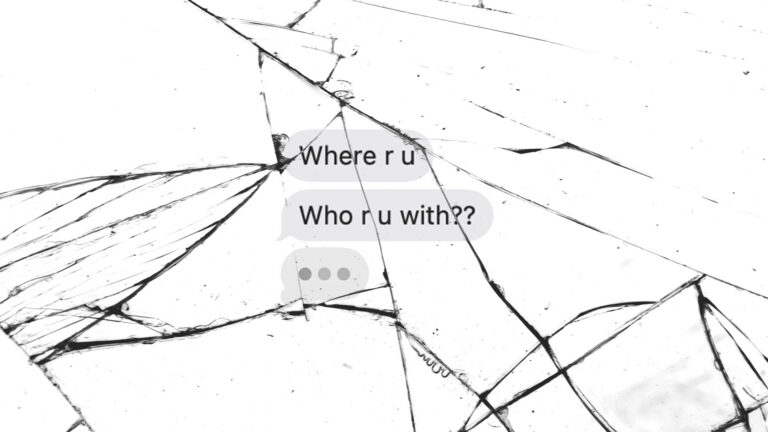
Change runs rampant during the back-to-school season. New routines, classes, activities, friendships, relationships and more abound – digitally and ‘IRL.’
Digital connection is the standard of convenience. But there is a line between typical (if constant) communication and monitoring, pressure, or control.
Teen dating violence is not limited to physical harm. It can include physical and sexual violence, but also emotional abuse, stalking, threats, and behaviors meant to control a partner. Digital abuse can become part of that pattern, especially when technology is used to keep tabs on someone, limit who they interact with, embarrass them, or make them feel like they are never really alone.
What Can Digital Control Look Like?
Healthy relationships can involve frequent texting, sharing photos, or choosing to share a location. The important difference between healthy and unhealthy in this context is whether those choices are mutual and comfortable.
Digital control removes that choice. One person may begin expecting constant access to the other person or may use technology to enforce rules about what the other can do.
Warning signs of digital abuse or control can include a partner who:
- Demands immediate responses to texts or calls
- Gets angry when messages are not answered quickly
- Pressures someone to keep location sharing turned on
- Asks for passwords or access to social media accounts
- Regularly checks a partner’s phone, messages, or call history
- Monitors who the other partner follows, messages, or interacts with online
- Tells the other partner who they can or cannot talk to or spend time with
- Uses posts, comments, or private messages to embarrass or pressure the other partner
- Sends repeated unwanted messages or uses different accounts to keep making contact
- Threatens to share private photos, screenshots, messages, or conversations
These behaviors do not have to happen all at once. What matters is the pattern and its effect. If someone feels like they have to constantly prove where they are, explain who they are talking to, avoid certain people, or stay available to their partner at all times to prevent an argument, that is a major red flag and indicates a situation of digital abuse or control.
When Control Is Disguised as Care
Digital control can be especially difficult to recognize because it does not always sound threatening at first.
A partner might say they want someone’s location because they are worried about them. They may describe jealousy as proof that they care. They might ask for a password because “people in relationships shouldn’t have secrets,” or expect constant texts because they just want to know that their partner is okay.
Concern and affection are not the problem. Control is.
A healthy partner can care where you are without requiring proof. They can miss you without demanding an immediate response. They can feel jealous without deciding who you are allowed to talk to.
Privacy is also not the same as secrecy. People in healthy relationships are still allowed to have their own conversations, friendships, accounts, time, and boundaries. No one should have to give up those things to prove that they care about their partner.
A helpful question is: What happens when someone says “no”?
If saying “no” to sharing a password, turning on location sharing, answering immediately, or handing over a phone leads to anger, accusations, threats, punishment, or fear, the issue is no longer simply communication. It may be part of a larger pattern of control.
Warning Signs You or Someone Else May Notice
Digital abuse often bleeds into real life off the screen. Changes in a person’s mood, routines, friendships, or behavior can also signal that something is wrong.
A teen experiencing digital abuse may:
- Become noticeably anxious when their phone buzzes
- Feel pressured to respond to a partner immediately
- Frequently explain or defend where they are and who they are with
- Pull away from friends, family, activities, or extracurriculars
- Seem afraid of upsetting or disappointing their partner
- Suddenly change what they wear, post, or say because of a partner’s reactions
- Delete messages or hide interactions because they are afraid of what their partner might say or do
- Seem uncomfortable about a partner constantly knowing their location
One sign by itself does not necessarily mean a relationship is abusive. Look at the larger pattern. A relationship should not regularly leave someone feeling watched, trapped, isolated, intimidated, or afraid of what will happen if they set a boundary.
What to Do If You’re Worried About a Relationship
If you are worried about your own relationship, consider talking with someone you trust. That could be a friend, parent, caregiver, counselor, teacher, coach, advocate, or another adult who makes you feel safe.
If you are worried about someone else, approach the conversation calmly. Avoid criticizing their decisions or demanding that they end the relationship. Instead, tell them what you have noticed, ask how they are doing, and give them space to talk.
Listening can be more helpful than lecturing.
Someone experiencing abuse may not be ready to leave a relationship, confront their partner, report what is happening, or even describe the relationship as abusive. Pushing them to take an action they are not ready for can make it harder for them to reach out again. Let them know that you believe them, that you are concerned about their safety, and that support remains available.
Be Thoughtful About Digital Safety
If you suspect a partner is monitoring a phone, account, or location, resist the urge to immediately change every setting or shut off access without considering safety first.
In some abusive situations, suddenly removing access can alert the person doing the monitoring and cause their behavior to escalate. It may be safer to talk with an advocate, use a device the partner has never had access to, and make a plan before changing accounts, passwords, or location settings.
If threatening messages, repeated unwanted contact, or other digital abuse is happening, saving screenshots, dates, messages, or other records somewhere the abusive partner cannot access may also be useful.
Healthy Relationships Leave Room for Boundaries
Despite our immediate access to one another, our technology should not make anyone feel like they have to be available, visible, or accountable to a partner every minute of the day.
Healthy relationships make room for trust, privacy, friendships, independence, and the ability to say “no” without fear. A partner does not need constant access to someone’s phone, accounts, location, or attention to show that they care.
If something about a relationship feels controlling, confusing, or unsafe, support is available. Bridges Domestic Violence Center can help you talk through your concerns, consider your options, and find a safer next step.